
Plenary Speakers
-
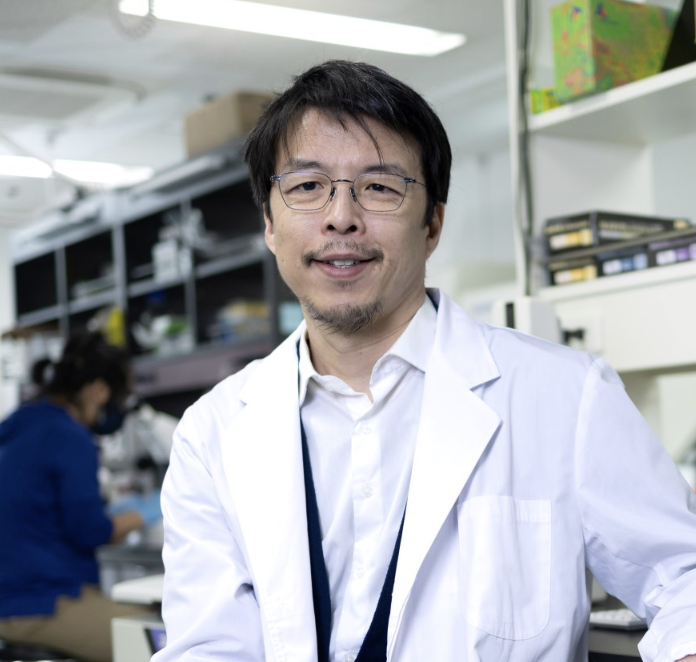
Professor Katsuhiko Hayashi, Japan
Department of Genome Biology, Graduate School of Medicine, The University of Osaka
-
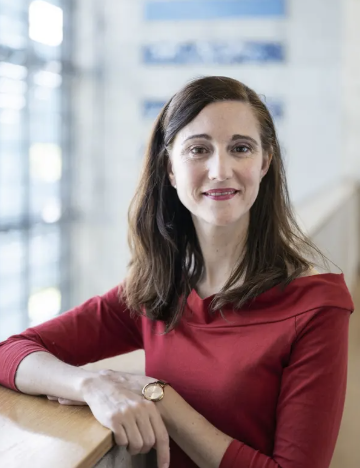
Professor Meritxell Huch, Germany
Meritxell Huch obtained her PhD at the CRG, Barcelona in 2007 and did her postdoc at the Hubrecht Institute, Netherlands where she pioneered the generation of organoids from stomach, liver and pancreas. In 2014, she established her independent lab at the Gurdon Institute, Cambridge, where she developed the first human liver organoid models from healthy and diseased human liver tissue. In 2019, she received the prestigious Lise Meitner Award and moved to the Max Planck Institute in Dresden. In 2022, she was elected Director and Scientific Member of the Max Planck Society. She received several prizes including the Otto Bayer Award and has recently been elected member of the German National Academy of Sciences Leopoldina.
-
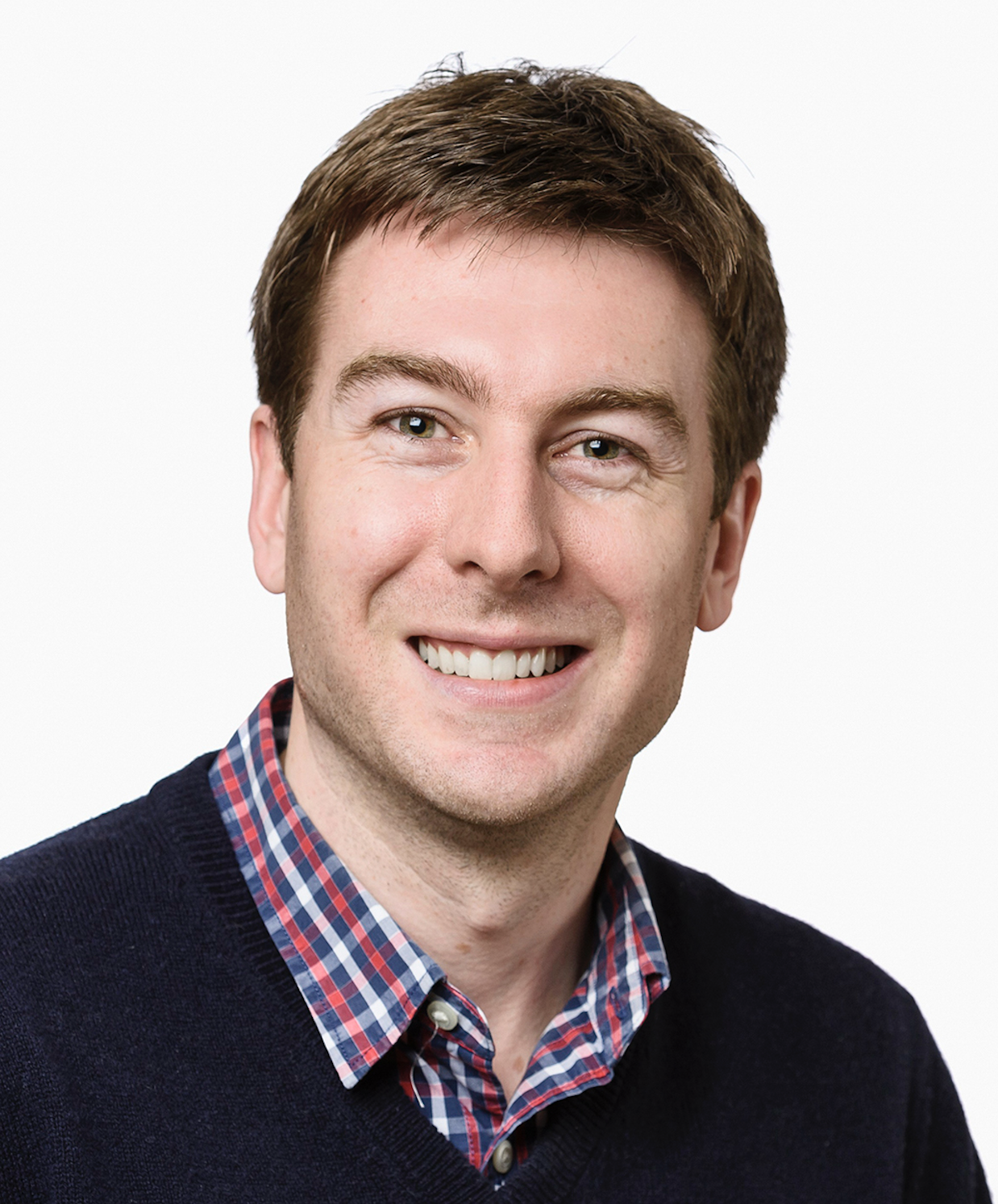
Dr Peter Rugg-Gunn, UK
Peter Rugg-Gunn is a Senior Group Leader at the Babraham Institute in Cambridge, UK. He is also an Affiliate Principal Investigator at the Cambridge Stem Cell Institute and at the Loke Centre for Trophoblast Research, and is the Chief Investigator of the Human Developmental Biology Initiative. Peter obtained a BSc from the University of York, a PhD at the University of Cambridge, and then undertook postdoctoral training at The Hospital for Sick Children, Toronto. In 2011, he received a Wellcome Fellowship that enabled him to establish his research group at the Babraham Institute, where he was awarded tenure in 2017. Peter's research interests centre on understanding how the epigenome is established during human development and how this affects cell fate decisions in human embryos and in stem cell-based embryo models. His group is particularly interested in epigenetic mechanisms that contribute to cellular plasticity and lineage specification. Peter is also the Head of Public Engagement at the Babraham Institute and he has co-led national projects exploring society's views on human embryo research.
-
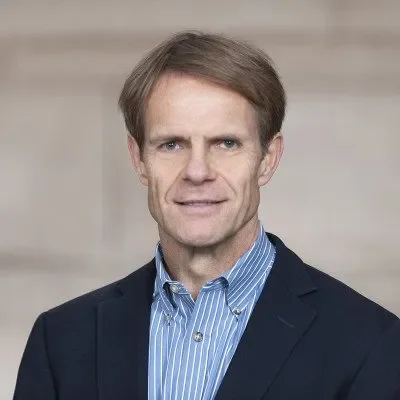
Professor Lorenz Studer, USA
Memorial Sloane Kettering Cancer Centre
Keynote Speakers
-
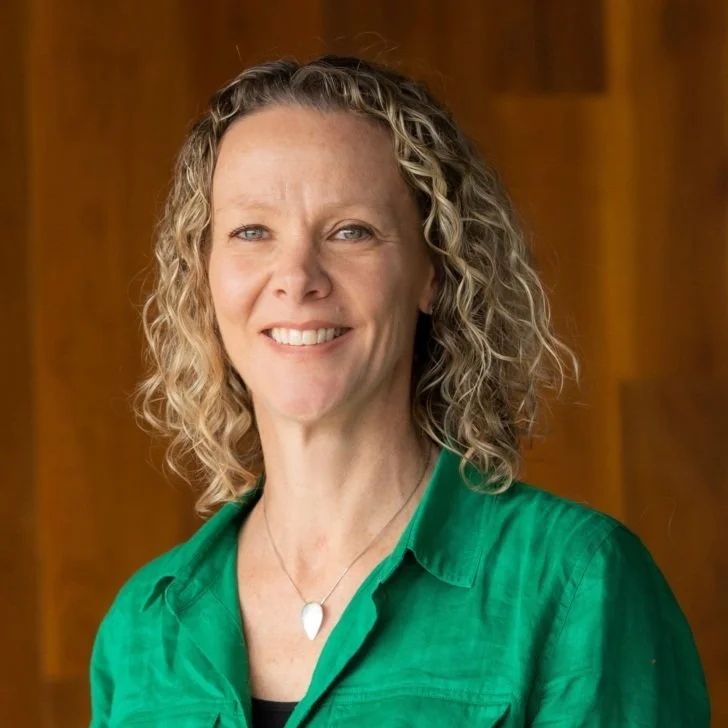
Prof Clare Parish
Florey Institute
-
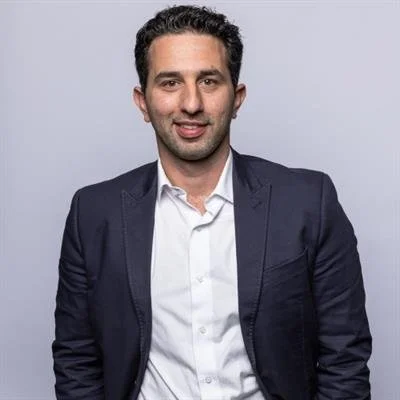
Prof Enzo Porrello
Murdoch Children’s Research Institute
Professor Enzo Porrello FISHR FAHMS is Director of Stem Cell Medicine, founding Co-Director of the Melbourne Centre for Cardiovascular Genomics and Regenerative Medicine, Node Director of the Novo Nordisk Foundation Center for Stem Cell Medicine (reNEW) and Head of the Heart Regeneration Group at the Murdoch Children’s Research Institute (since 2017). He previously held appointments as founding Co-Director of the UQ Centre for Cardiac and Vascular Biology and Head of the Heart Regeneration Group at The University of Queensland (2012-2017).Over the course of his career, Prof Porrello has made important contributions to our understanding of mammalian heart regeneration and has pioneered the development of human cardiac organoids for drug discovery.
Prof Porrello’s research has been recognised by numerous awards. He is an elected Fellow of the International Society for Heart Research and the Australian Academy of Health and Medical Sciences. Prof Porrello is also a biotech founder - his companies Dynomics and Ibnova Therapeutics are developing new treatments for heart failure based on breakthrough stem cell technologies developed by his group.
-
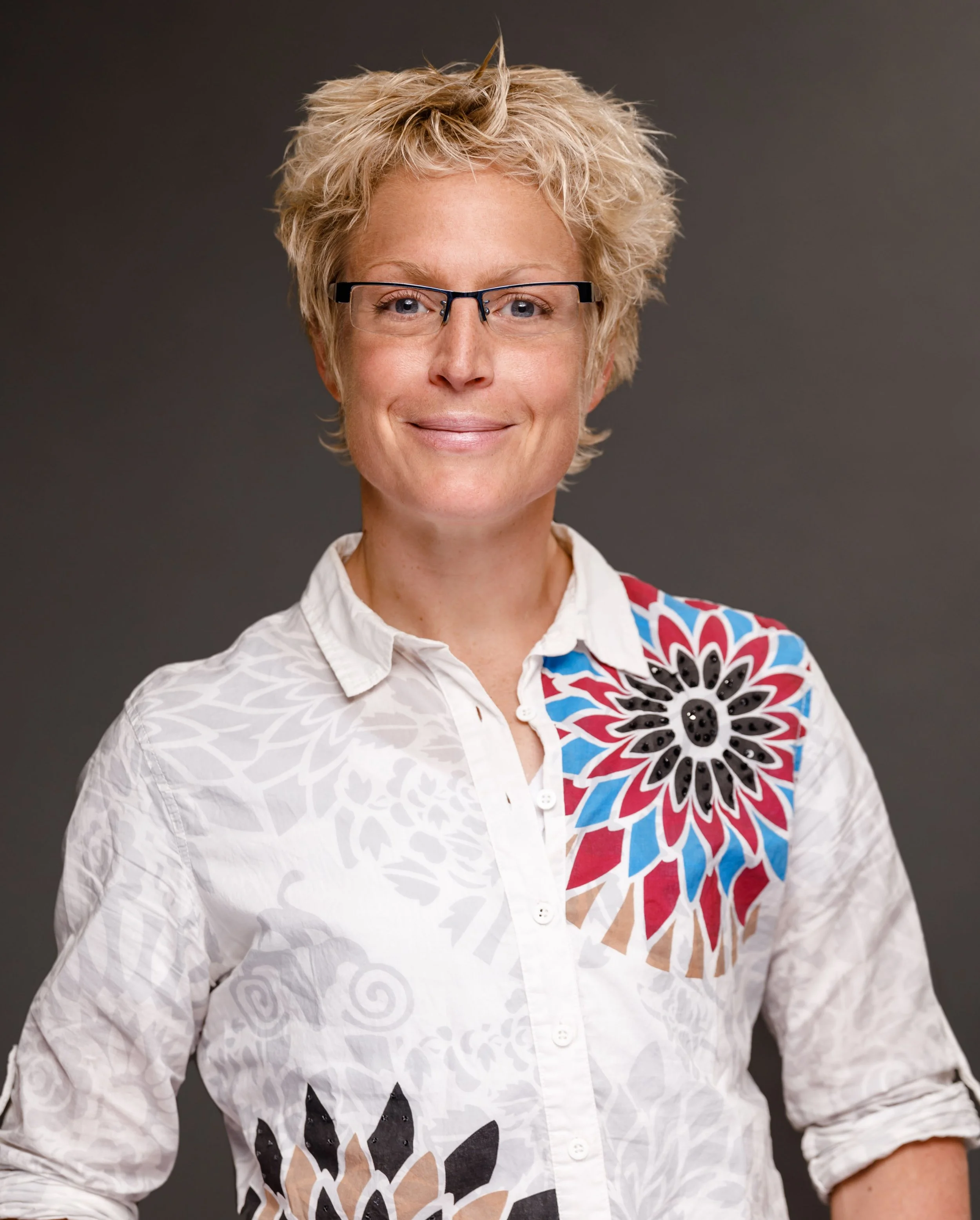
A/Prof Jennifer Zenker
Australian Regenerative Medicine Institute
A/Prof Jennifer Zenker’s scientific journey started at the University of Lausanne (Switzerland), where she obtained her PhD in Neurobiology, receiving the Amicitia PhD Excellence Prize. Next stop was Australia, starting her PostDoc at EMBL Australia (Monash University), shortly followed by a move to Singapore to IMCB, A*STAR. During her Postdoc, A/Prof Zenker specialised on live imaging of early mouse embryos which led to several seminal discoveries, including first author publications in Science (2017), Cell (2018) and Nature Protocols (2017). She was also awarded three international postdoctoral fellowships, from the prestigious Human Frontier Science Fellowship, German and Swiss National Science Foundation.
She then embarked as an independent group leader at the Australian Regenerative Medicine Institute (ARMI, Monash). Her research group contributed to the generation of iBlastoids (Nature, 2021) and discovered RNA asymmetries in early mouse embryos (Nature Communications, 2023). In 2019, she was awarded the Canadian Institute for Advanced Research (CIFAR) Azrieli Scholarship. This was followed by an NHMRC Ideas Grant (2020-2024), an NHMRC EL2 Investigator Grant (2021-2026) and an ARC Discovery Project Grant (2026-2029). As a real mark of her scientific excellence, A/Prof Zenker received the Sylvia&Charles Viertel Senior Medical Research Fellowship (2023-2027), the Eduard Kellenberger Medal (2023) and the ANZSCDB Emerging Leader Award (2025). -
Invited Speakers
-

A/Prof Katie Ayers
MCRI
Associate Professor Katie Ayers is Deputy Director of the Genomic Medicine Theme and co-lead of the Reproductive Development group at the Murdoch Children’s Research Institute (MCRI) in Melbourne, Australia. Her research focuses on the genetic and molecular mechanisms underlying gonad development and Variations/Differences of Sex Development (DSD) in humans. Katie has a background in genetics, genomics and developmental biology and is an international leader in the differences of sex development field. Katie also has a special interest in using stem cells to model human reproductive development and the conditions that affect it.
-
Prof Cedric Bardy
Flinders University
-
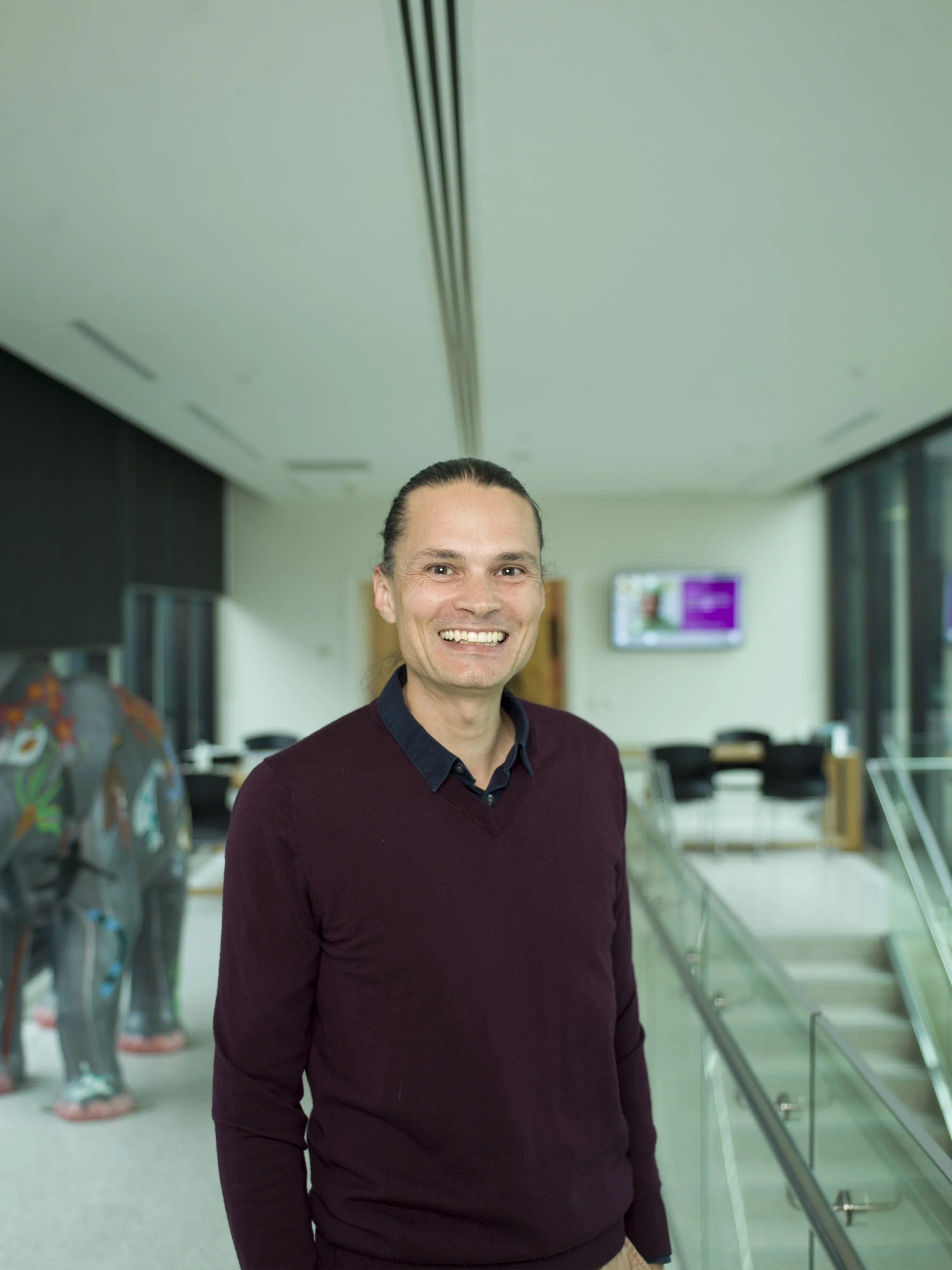
Dr Peter Houweling
MCRI
Dr Peter Houweling is a Team Leader and Senior Research Fellow (Level C) at the Murdoch Children’s Research Institute and the University of Melbourne. After completing a PhD at the University of Sydney, he undertook postdoctoral training in skeletal muscle physiology, systems biology and genomics at the Institute for Neuroscience and Muscle Research, Children’s Hospital at Westmead, the University of New South Wales, and the Karolinska Institute in Sweden.
His research focuses on uncovering the molecular and physiological mechanisms underlying paediatric genetic muscle disorders, including Duchenne muscular dystrophy, facioscapulohumeral muscular dystrophy, nemaline myopathy and myotonic dystrophy. Peter leads a multidisciplinary team using advanced mouse and human induced pluripotent stem cell models to develop novel therapeutic strategies. He also established Australia’s first National Muscle Disease Bio-databank and co-founded FlexBio, an MCRI contract research platform supporting preclinical therapeutic development. With more than 60 peer-reviewed publications and over 3,700 citations, his research has been published in leading international journals, including Nature Communications, Science Advances and the Journal of Clinical Investigation.
-
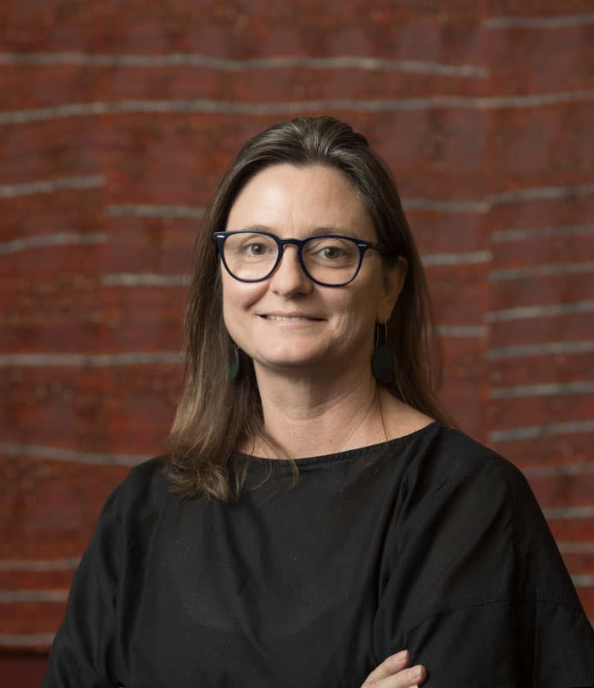
Prof Edwina McGlinn
ARMI/Monash University
-
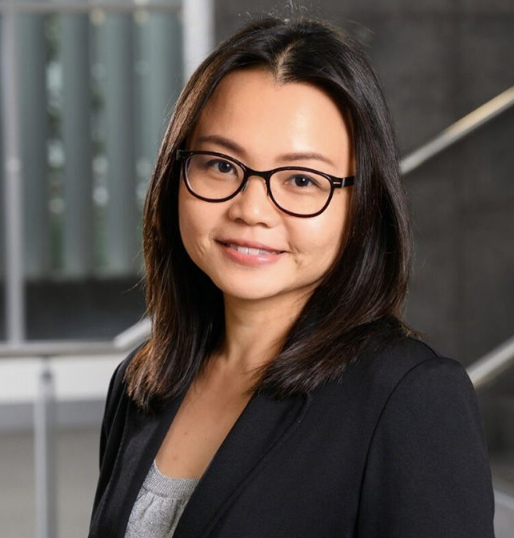
Prof Yi-Chin Toh
QUT/MiPSET
-
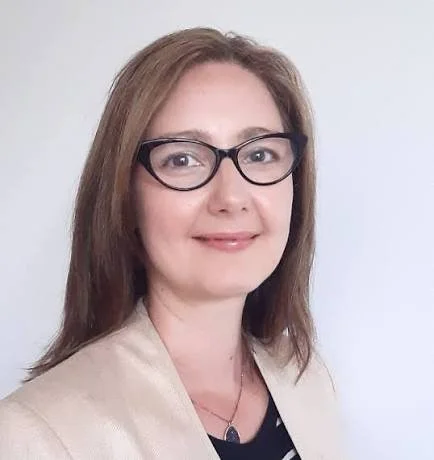
Prof Irina Voineagu
UNSW
Professor Irina Voineagu is an NHMRC Investigator at UNSW Sydney, where she leads a laboratory investigating the mechanisms of gene expression regulation in the human brain. Her research combines high-throughput CRISPR screening, single-cell genomics, computational modelling and brain organoid systems to understand how non-coding regulatory elements and their chromatin regulation contributes to neurodevelopmental and neurological disorders.